4D / 3N
17% OFF
4D / 3N
17% OFF
Manali-Kasol Tour Package by Cab for Himachal (4D/3N) - At A Glance
- Hotel
- Meals
- Sightseeing
- Entry Tickets
- Cab Transfer
₹12,688
₹10,500 /pp
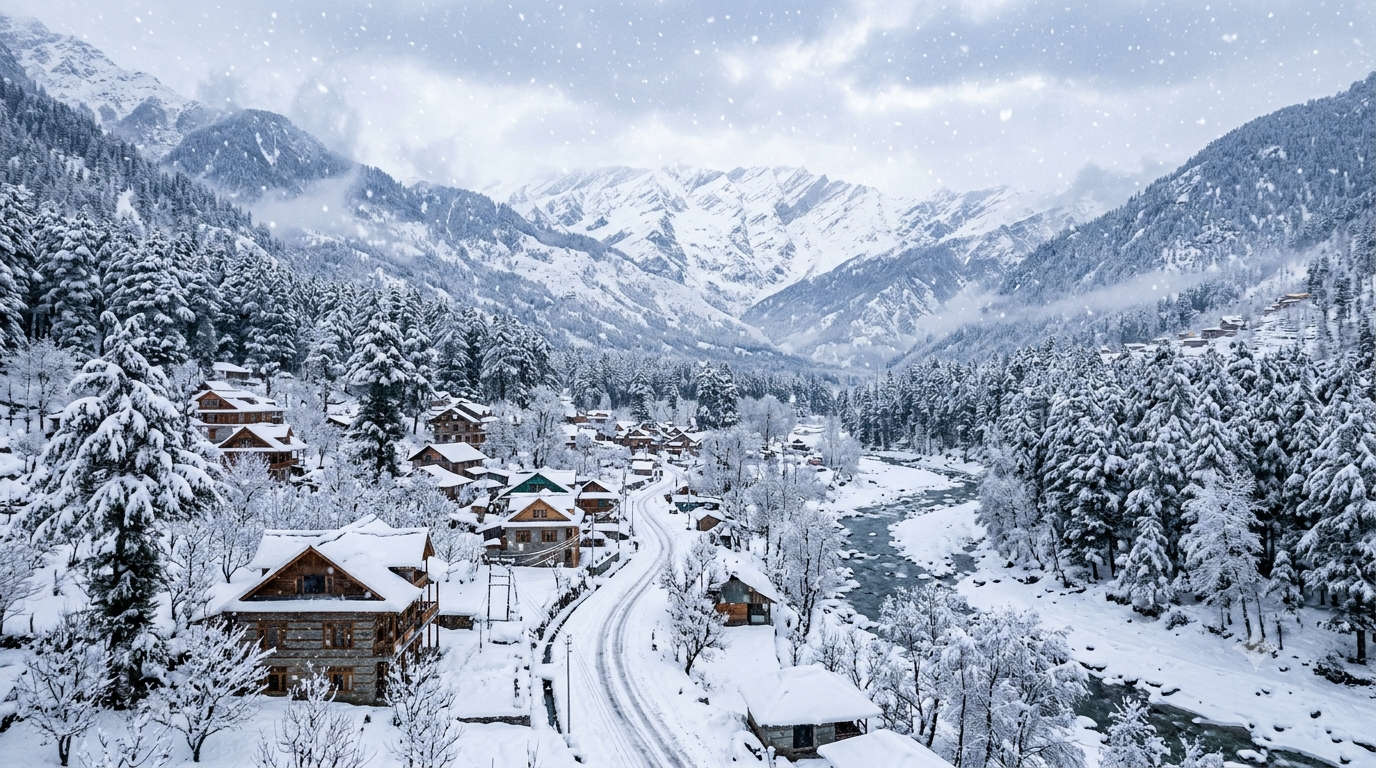


Snow reaches Manali between late November and March, and January is the heaviest, most reliable month of the lot. The town itself gets its first proper spells around December, while the high snow points above it (Solang, Gulaba, the Atal Tunnel and Sissu) whiten a few weeks earlier. If your one goal is to stand in deep, fresh snow, aim for the last week of December through January. This guide gives you the month-by-month snow calendar, a side-by-side comparison of every snow point near Manali with its distance, altitude and permit status, and an honest read on where to go when Rohtang Pass is closed.
Key takeaways
Snowfall in Manali
Best Time
March - June
Select Package Type

3 Days & 2 Nights
₹9,043 /@pp
GET FREE QUOTE

9 Days & 8 Nights
₹36,484 /@pp
GET FREE QUOTE.jpg?tr=w-600,h-300)

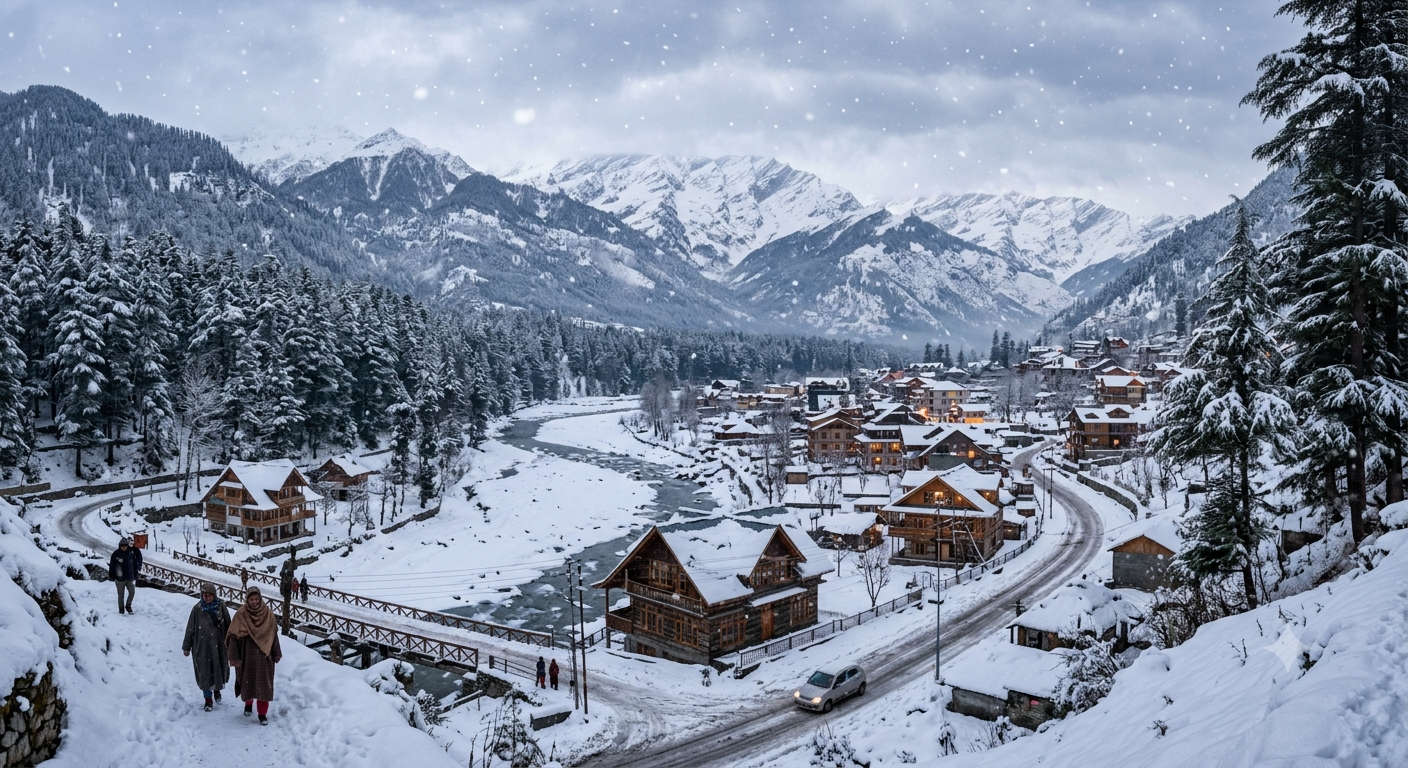
Manali’s snow season runs from late November to March, driven by the western disturbances that roll across the western Himalaya each winter. The higher you go, the earlier and longer the snow stays. Rohtang and Gulaba can see their first flurries in November, the town of Manali usually turns white in December, and the deepest cover sits over the whole valley through January and into February. Use the calendar below to match your trip to the kind of snow you want.
| Month | Snowfall likelihood | Typical day / night temp | What you can see and do |
| November | Early: high points only | 12°C / 1°C | First snow at Rohtang and Gulaba; town usually still dry |
| December | Reliable; town spells | 7°C / -2°C | Peak season; snow play and skiing at Solang, festive crowds |
| January | Heaviest and most frequent | 4°C / -6°C | Deep, fresh snow valley-wide; skiing, igloo stays at Sethan |
| February | Heavy; fresh powder | 6°C / -3°C | Best powder for snowboarding, thinner crowds than December |
| March | Tapering; melting in town | 13°C / 2°C | Late snow lingers at Sethan and the Rohtang approach |
If you can only pick one window, the last week of December through January gives you the surest chance of standing in falling snow inside Manali town, not just at the high points above it.
These are the snow points around Manali, ranked by how easy they are to reach. The two that most guides miss (the Atal Tunnel and Sissu) are now the most dependable winter snow fields, because they stay open when Rohtang Pass is closed. Distances are from Manali town.
| Snow point | Distance from Manali | Altitude | Best months | Signature snow experience | Permit / entry |
| Solang Valley | 14 km | 2,560 m | Dec-Feb | Skiing, zorbing, ropeway | No permit |
| Kothi | 12 km | 2,500 m | Dec-Feb | Roadside snow play, sledding | No permit |
| Sethan | 12 km | 2,700 m | Jan-Mar | Snowboarding, igloo stay | No permit |
| Gulaba | 20 km | 3,000 m | Dec-Feb | Snow play, sledding | No permit |
| Atal Tunnel (south portal) | 25 km | 3,060 m | Dec-Feb | Snow play at the portal | No permit (vehicle e-registration for Lahaul) |
| Sissu | 40 km | 3,120 m | Dec-Feb | Open snow fields, frozen waterfall | No Rohtang permit (Lahaul e-pass for vehicles) |
| Rohtang Pass | 51 km | 3,978 m | May-Nov | Snow when open | Rohtang permit, usually shut in winter |
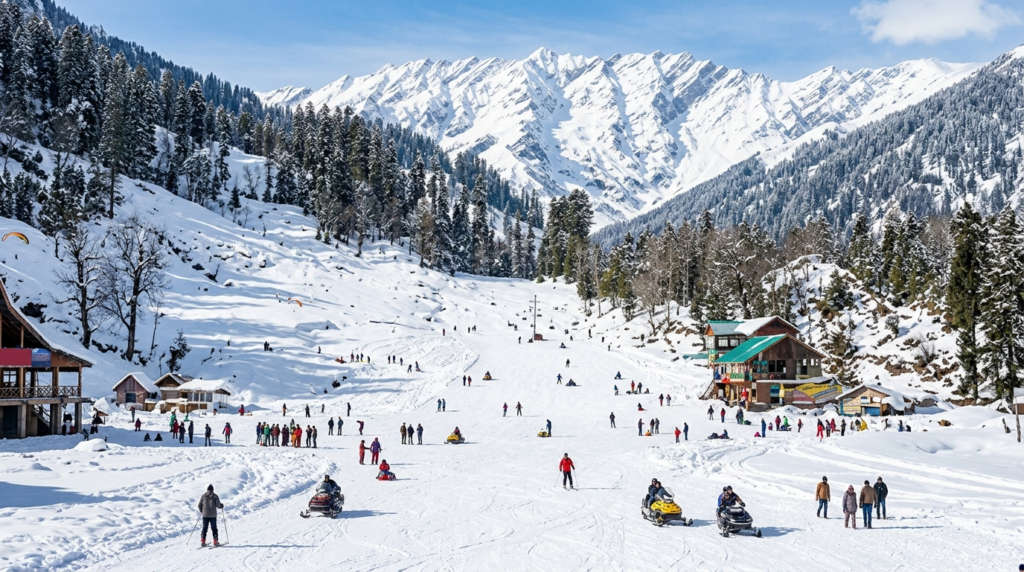
Solang is the snow point most people picture when they think of Manali. It is a wide meadow about a 40-minute drive up the valley, and in a good winter it is knee-deep in snow with a working ropeway, a beginner ski slope and stalls renting gumboots and jackets. Because it is close and easy, it is also the most crowded on December weekends. Go early in the day for fresh snow and shorter queues.


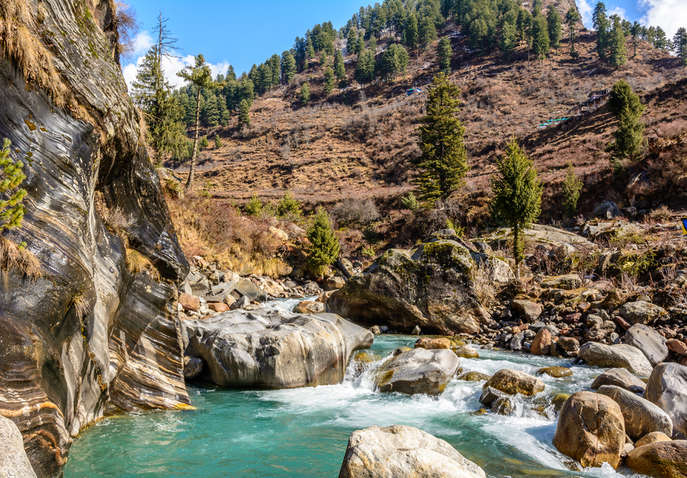
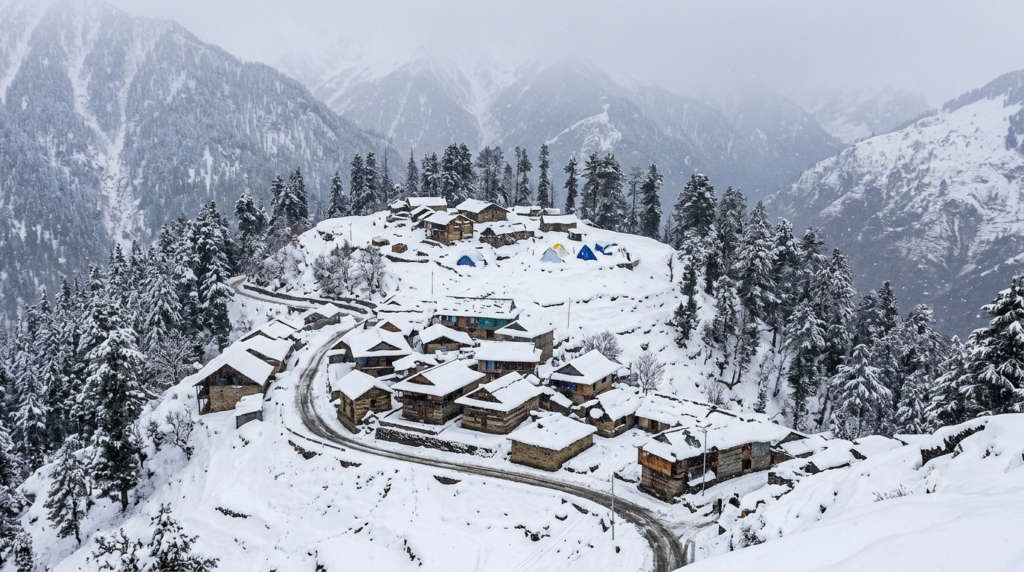
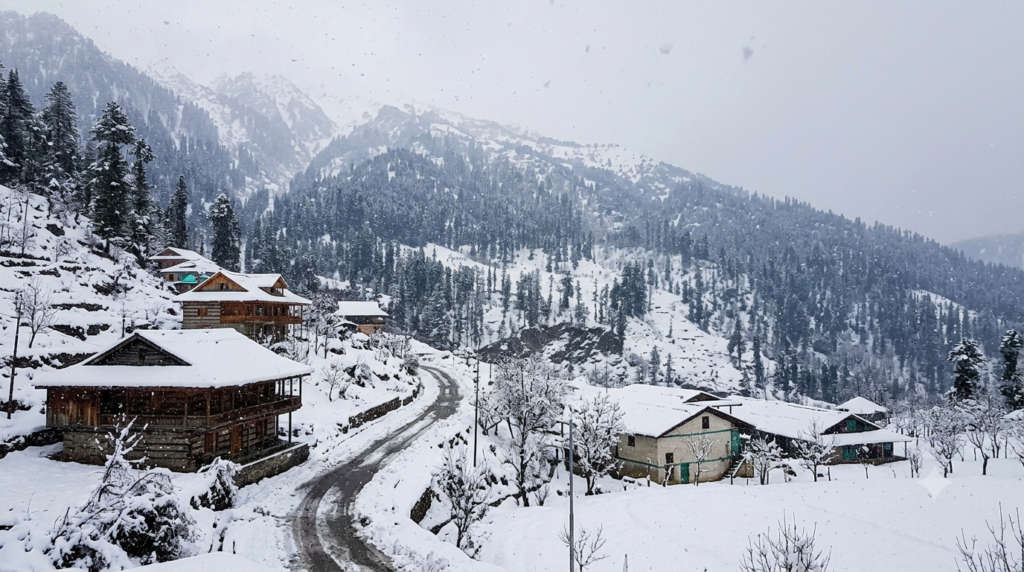
Kothi sits at the base of the Rohtang road and gets you into snow within half an hour of leaving town, which makes it the fallback when the higher passes are blocked. Sethan, a small Buddhist village on the opposite ridge, is quieter and holds snow later into March. It is the place to go for snowboarding and for the igloo stays that pop up each January.


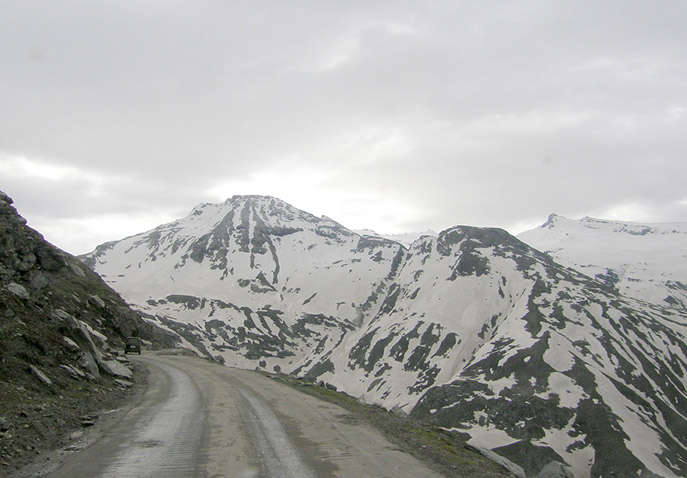


Gulaba is the last easy snow point before the Rohtang checkpost, so it comes into its own exactly when Rohtang shuts for winter. Local snow-point taxis run here for sledding and snow play, and you do not need a Rohtang permit to reach it.


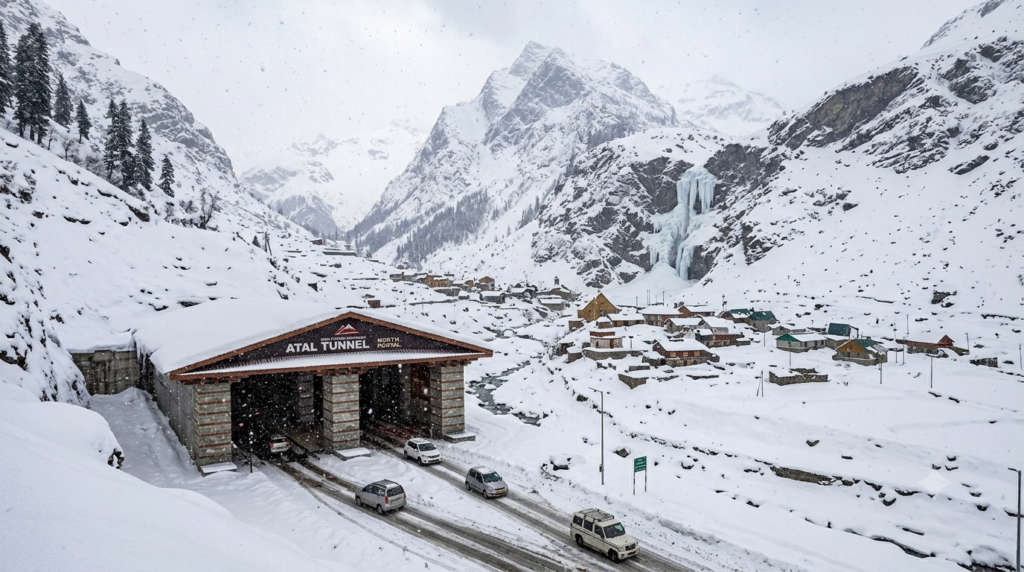
This is the pairing that changed winter travel around Manali. The Atal Tunnel opened in 2020 and runs 9 km under the Rohtang ridge, so it stays open through winter when the pass above it is buried. Drive through in under 30 minutes and you reach Sissu in the Lahaul valley, a broad snow field beneath a frozen waterfall that has become the reliable deep-winter alternative to Rohtang. Neither needs a Rohtang permit. Private vehicles do register on the Lahaul e-Aagman portal to enter the valley, and the tunnel can close briefly for snow clearance at the south portal after heavy falls, so check conditions the morning you go.
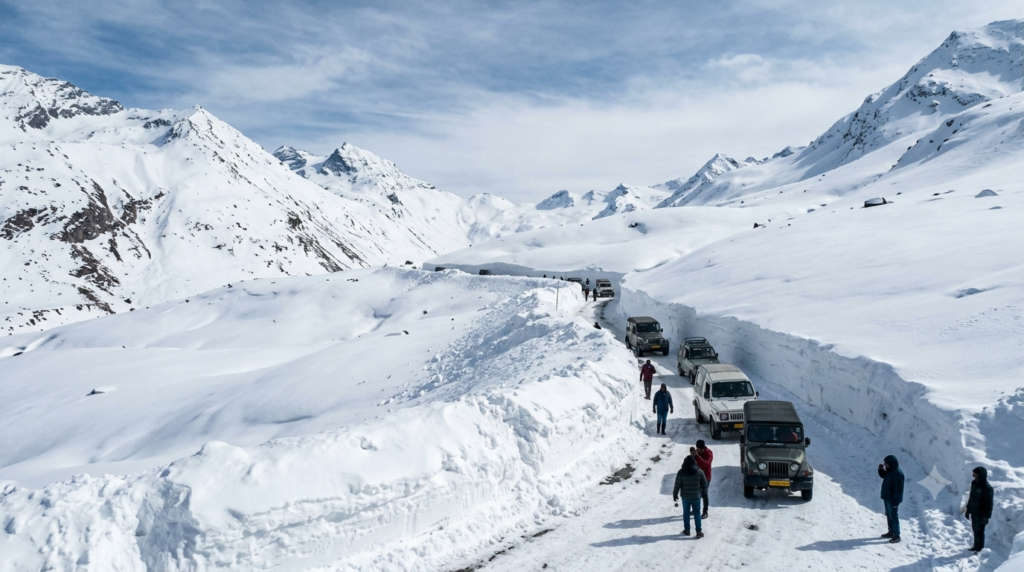
Rohtang is the classic Manali snow drive, but it is a summer and shoulder-season pass. Snow returns to it by October, and it closes to tourist traffic through the deep winter, reopening around mid-May. When it is open it needs an online permit (about Rs 550 per vehicle) under an NGT cap of 1,200 vehicles a day, and it stays shut every Tuesday for maintenance. If you are visiting between December and March for snow, plan around the Atal Tunnel and Sissu instead, not Rohtang.
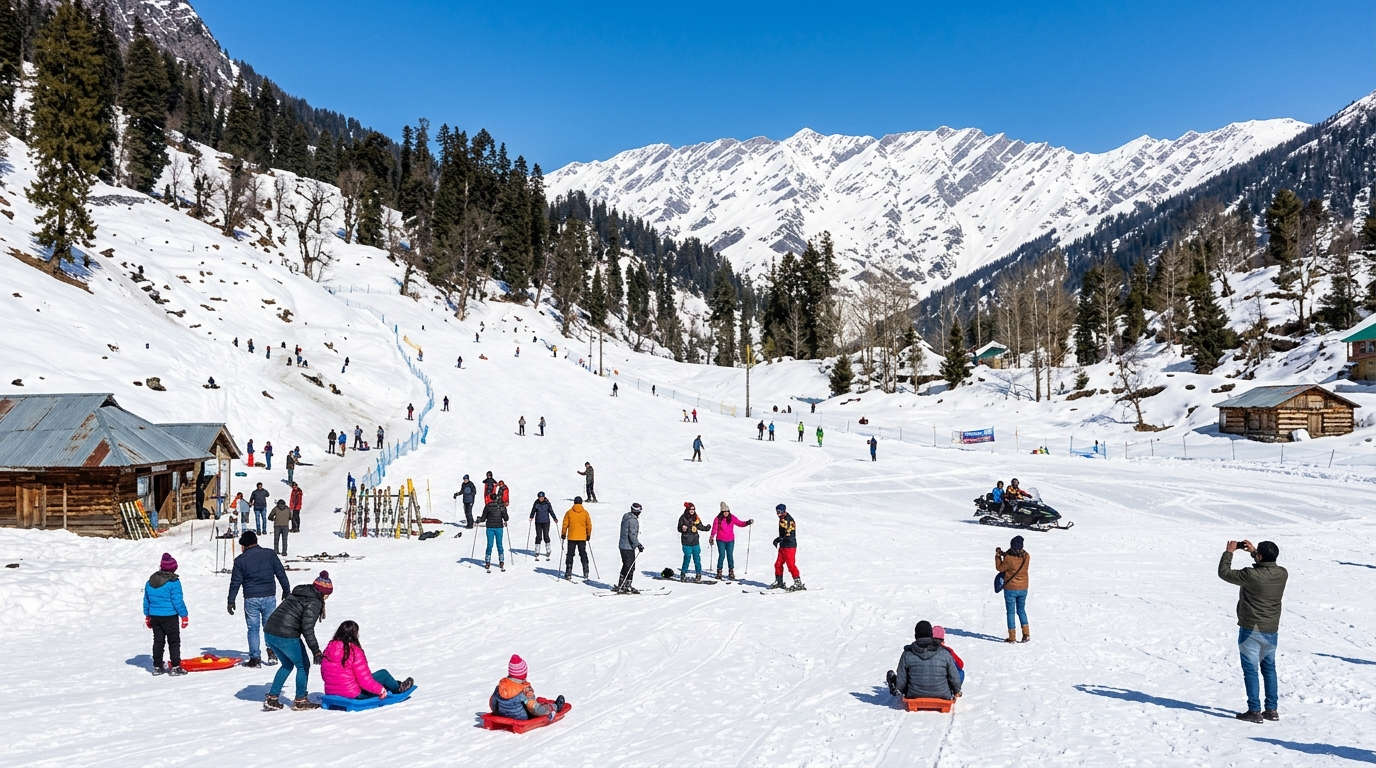
Manali packs in more snow activity than any other Indian hill town, and most of it runs out of Solang Valley, Gulaba and Sethan. Prices below are indicative and set by local operators, so confirm on the day.
Skiing is the headline. Beginner slopes at Solang and Gulaba run short lessons from around Rs 500, and multi-day courses out of Solang and Dhundi start near Rs 12,000 for a six-day beginner package. Snowboarding has moved to Sethan, where the powder is better and the crowds thinner. For a bucket-list splurge, heli-skiing drops experienced riders onto high runs near Deo Tibba and Hanuman Tibba from around Rs 1,60,000.
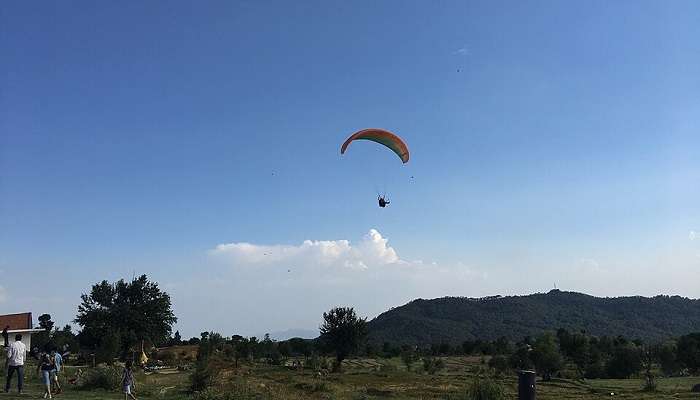
If you are here to play rather than train, there is plenty. Sledding down the Solang and Kothi slopes, snow-scooter and snow-tubing rides, zorbing down a snow bank at Solang, the Solang ropeway for a view over the whole white valley, yak and horse rides, and the simple pleasure of building a snowman or starting a snowball fight. Ice climbing on the frozen faces near Beas Kund is the serious end of the scale, guided and roped, from around Rs 3,000. Paragliding over Solang runs on clear-weather days through the shoulder season rather than in a whiteout.
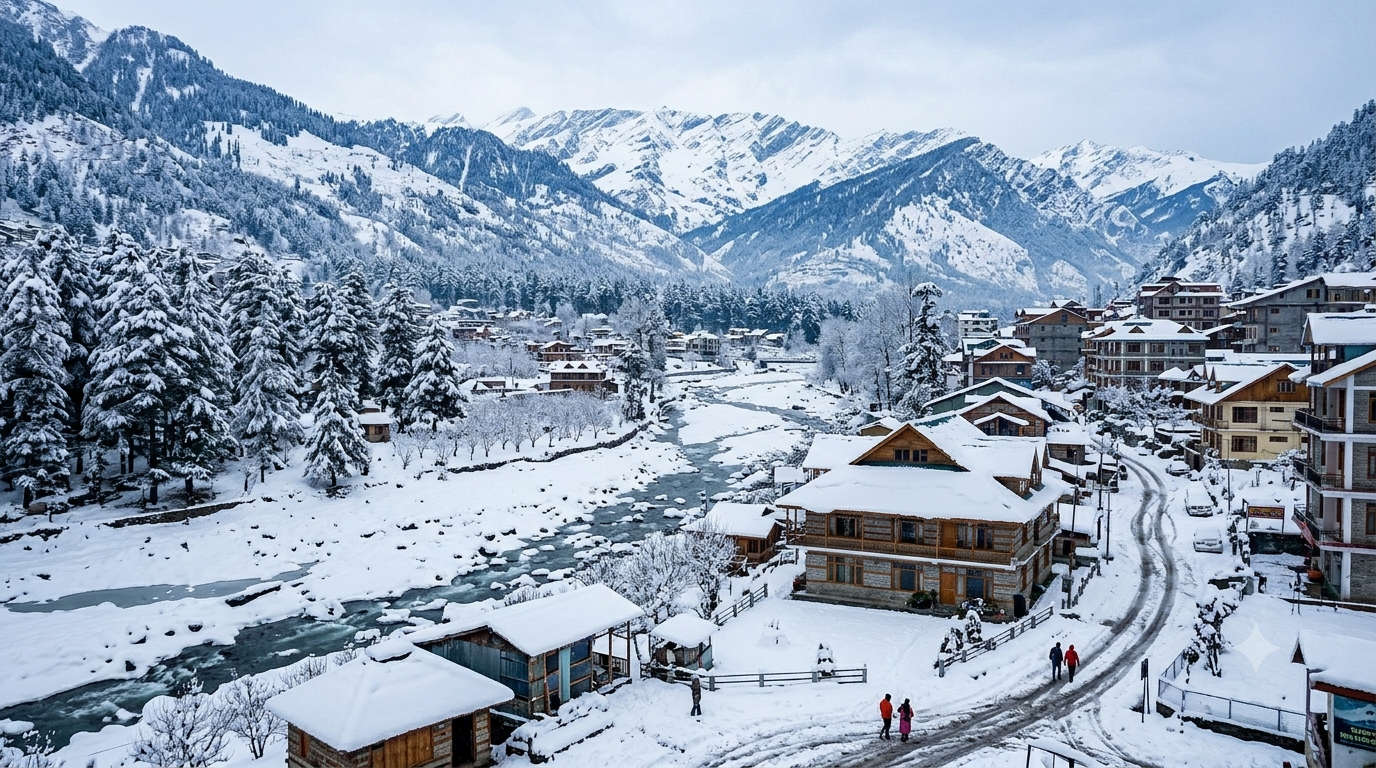
Here is how a typical Manali winter unfolds, so you can time a trip before conditions are posted. This is a seasonal guide, not a live forecast, so pair it with a same-week weather check before you drive up.
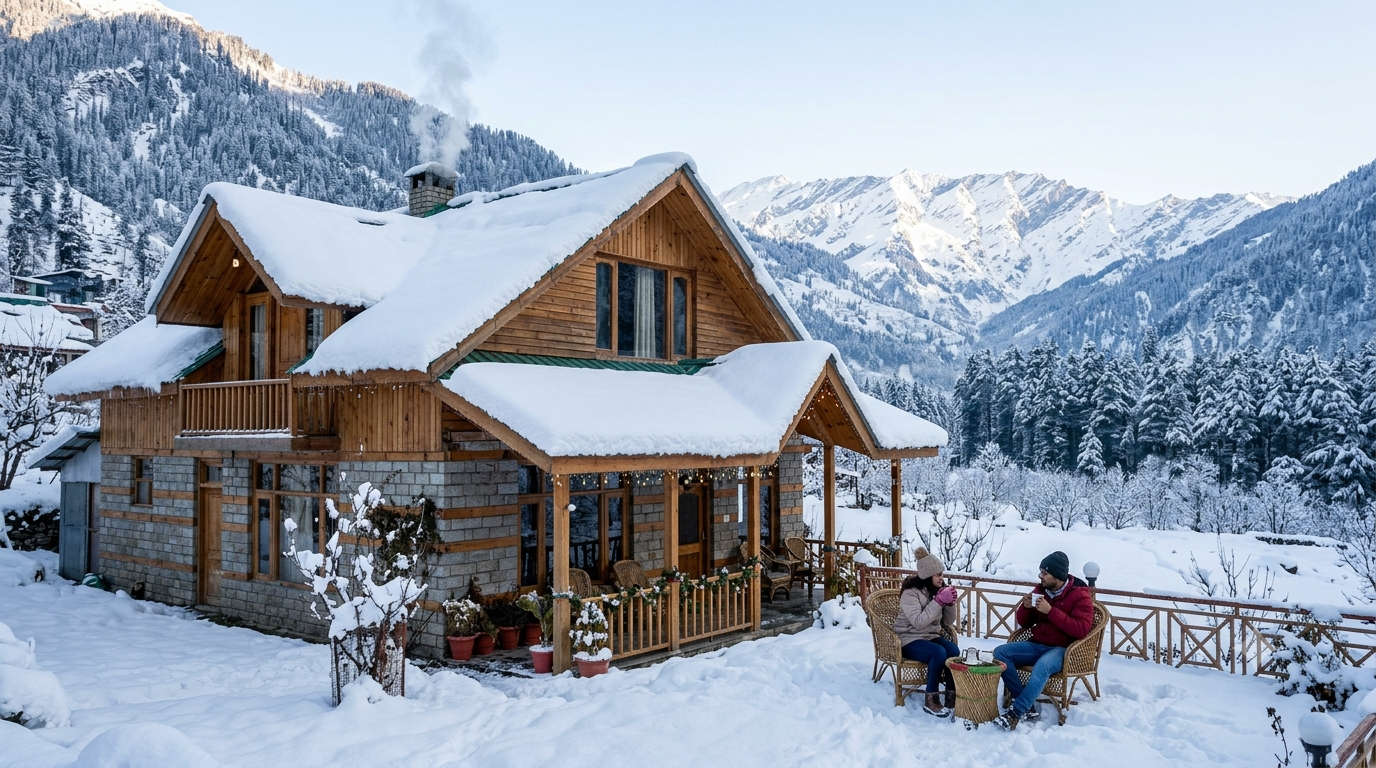
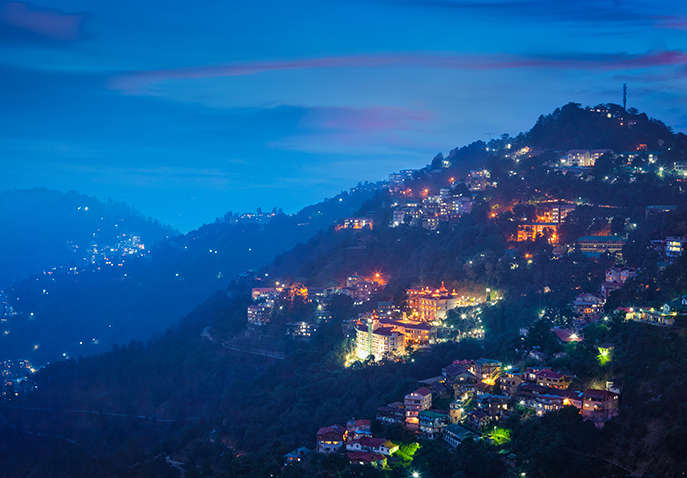
For snow access, stay north of the town toward Palchan, Bahang and the Solang road rather than in the Mall Road crush. A resort like Solang Valley Resort at Palchan puts you closest to the ski slopes, with tariffs from around Rs 8,600 a night, while riverside stays around Bahang and Old Manali (from roughly Rs 1,600 to Rs 4,000) trade the view for value. Homestays run cheaper and warmer than the big Mall Road hotels, and many throw in a bukhari wood stove for the evenings.
The safest way to reach Manali in winter is by road, because snow can close the higher approaches at short notice. From Delhi the drive runs up NH44 to Chandigarh, then the Kiratpur-Manali highway through Mandi and Kullu into Manali, roughly 12 to 14 hours by overnight Volvo. The nearest airport is Bhuntar (Kullu), about 50 km south, though winter flights are weather-dependent. If you would rather have the driving, transfers and snow points handled for you, browse Manali tour packages or the wider Himachal tour packages that bundle the Solang, Atal Tunnel and Sissu snow runs.
Snowfall in Manali is at its best from the last week of December through January, and the smartest plan pairs an easy snow point like Solang with the deep-winter fields at Sissu through the Atal Tunnel, keeping Rohtang for a summer return. Line the trip up before the season fills, check conditions the week you travel, and go early each morning. When you are ready to turn this into a booked itinerary with the snow runs and transfers sorted, our Manali tour packages are a good place to start.
January is the best month for snowfall in Manali. It is the coldest and snowiest part of the season, with the deepest, most reliable cover across the valley. December and February are close behind, so any trip between late December and mid-February gives you a strong chance of fresh snow.
January. It records the most frequent and heaviest snow of the season, and the cover it leaves tends to stay on the ground longer than December or February falls because temperatures stay below freezing at night.
Snow usually reaches the high points around Manali (Rohtang, Gulaba, the Atal Tunnel and Sissu) from late November. Manali town itself normally gets its first proper spells in December. Early-November trips can see snow at the passes but a dry town.
No. December is one of the best months for snow in Manali, especially the last two weeks around Christmas and New Year, when the town itself often gets fresh falls. It is also the busiest, so book stays and snow-point taxis ahead.
Usually not. Rohtang Pass closes to tourist traffic through the deep winter and reopens around mid-May, so it is not a dependable winter snow point. When you visit for snow between December and March, head to the Atal Tunnel and Sissu or to Solang and Gulaba instead, all of which stay open.
Only for Rohtang Pass, which needs an online permit (about Rs 550 per vehicle, capped at 1,200 vehicles a day and closed on Tuesdays) booked at rohtangpermits.hp.gov.in. Solang, Kothi, Sethan, Gulaba, the Atal Tunnel and Sissu need no Rohtang permit, though private vehicles register on the Lahaul e-Aagman portal to cross the tunnel into Sissu.
If the town is still dry, the closest sure snow is at Solang Valley, Gulaba and Kothi, all within about 20 km, and at Sissu through the Atal Tunnel. These high points hold snow weeks before and after the town does, so they are the reliable answer in November and March as well.
Manali town runs from about 10°C on a clear winter day down to around -5°C at night, and colder during active snowfall or a cold wave. The snow points above the town, from Solang to Sissu, sit several degrees colder, so pack thermals and a windproof outer layer.
Real reviews from real travelers who booked with us.
View All Reviews